
What Happens to Your Social Life After College Ends
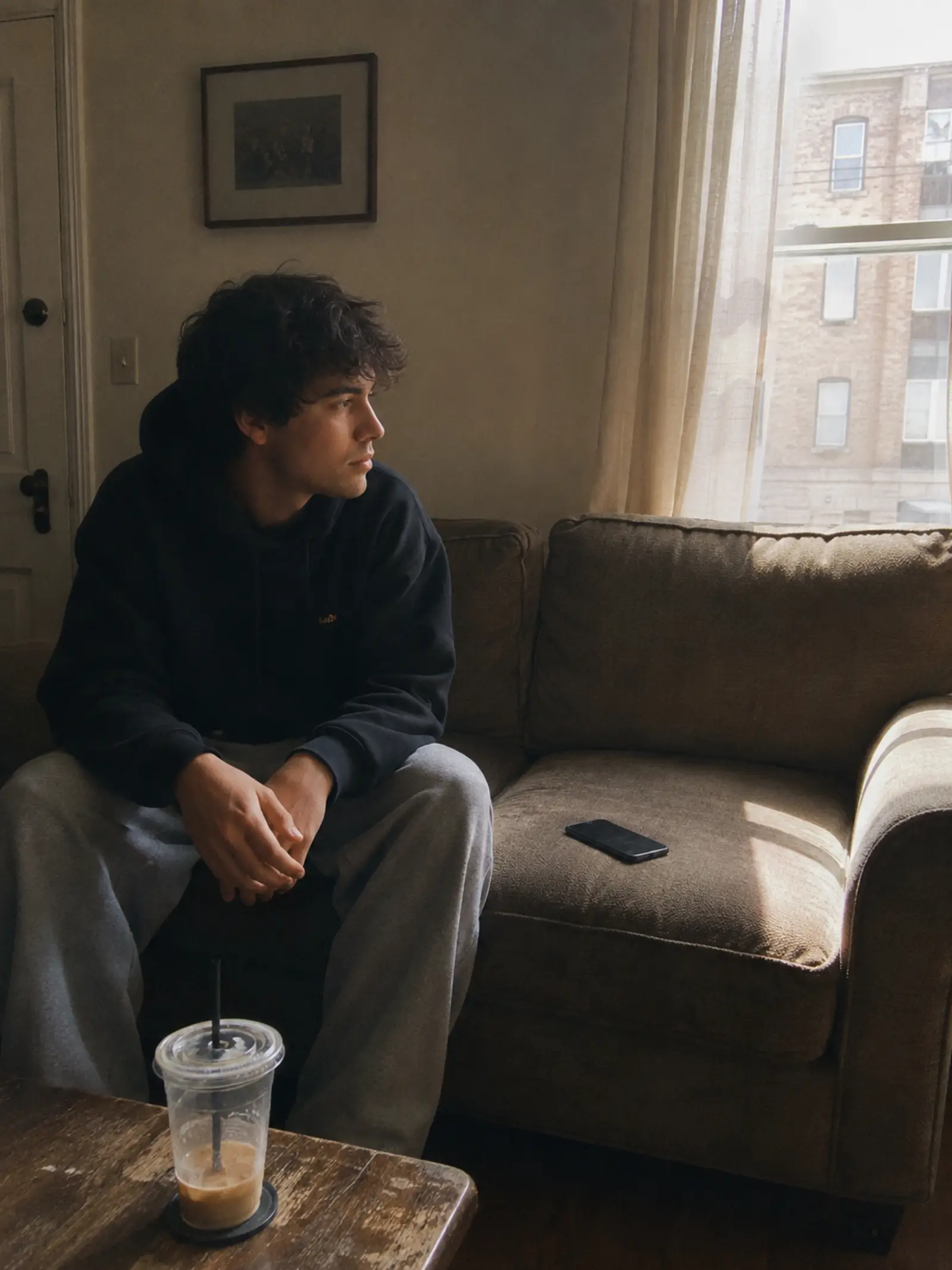
Your first free Saturday after college should feel like a win. No assignment. No attendance. No “group project at 7.”
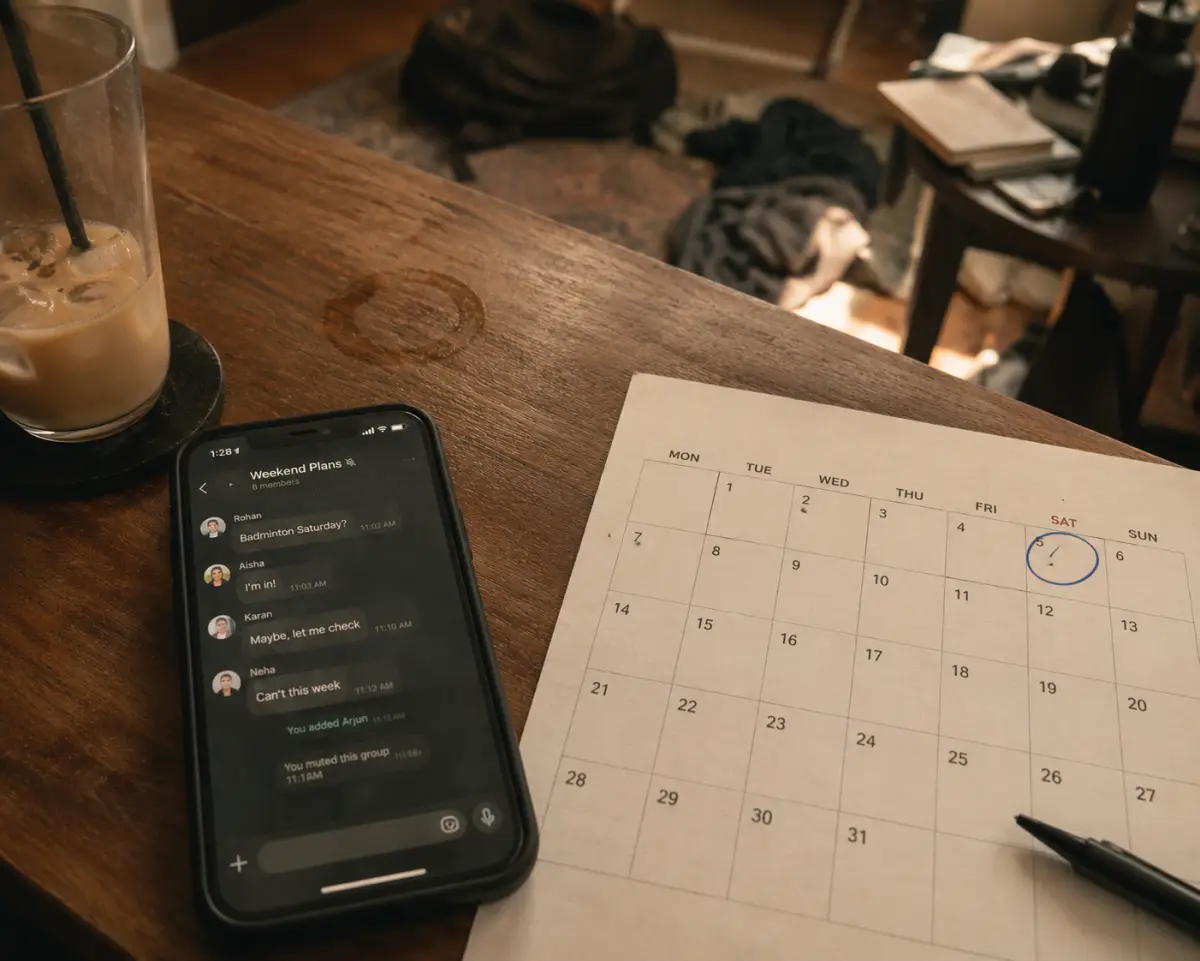
Instead you wake up, open WhatsApp, and the chat that used to plan itself is three green ticks and a meme from Tuesday. Nobody is free. Or everybody is “free soon.” Which somehow feels worse.
Here’s what nobody printed on your graduation stole: you didn’t lose your social skills when college ended. You lost the free operating system that ran them.
College wasn’t friends. It was free infrastructure
Think about what campus actually did for you.
Same building. Same canteen. Same people walking past your hostel door. Unstructured evenings that somehow turned into three-hour hangs without anyone “scheduling” them. A shared identity so thick that “you free?” was enough of a plan.
That wasn’t magic chemistry. That was density.
When you leave, the density drops overnight. Friends scatter to different cities, different shifts, different time zones of adulthood. The friendships that lived on proximity now need maintenance. The ones that were mostly vibes start to thin. And your new world (office, PG, family home, another city) rarely hands you a replacement canteen full of people your age with nowhere better to be.
A Pew Research survey found that only 32% of adults under 30 say they have five or more close friends, compared with nearly half of adults 65 and older. Young adulthood is not the friendship peak people assume it is. It’s often the rebuild years.
In India, the weird part gets even louder. A Don Bosco survey covered by The Times of India found three in four young people still feel lonely even when they have friends around. Big networks. Thin call lists. That’s the post-college mood in one sentence.
So no, you’re not “bad at adult friendship.” You’re between systems.

The first year usually looks like this
Most people treat the quiet like a personal failure. It’s closer to a season.
Months 0–3: The honeymoon hangover
You’re still running on leftover campus energy. Farewell dinners. “Last night” plans that somehow happen four times. Group photos with captions about forever.
It feels fine. Sometimes better than fine. Freedom tastes good until the calendar empties.
Then someone moves for a job. Someone else starts night shifts. Your best friend from third year is suddenly always “in training.” The chat stays active. The hangouts don’t.
This phase tricks you because it still looks social. Stories. Replies. Relatable memes about adulting. What disappeared is the automatic Tuesday that used to become a walk.
Months 3–9: The quiet that feels like rejection
This is the cliff people don’t warn you about.
You have a job or you’re hunting for one. Your evenings get shorter. Your weekends get heavier. Old friends still exist as names, but the shared hours are gone. New people at work know your Slack handle, not your actual life.
You start reading silence as proof. They moved on. You’re the only lonely one. Everyone else is thriving in some secret city with a perfect friend group.
Usually wrong.
Friendship research keeps finding the same blunt truth: closeness is mostly time. University of Kansas researcher Jeffrey Hall estimated it takes roughly 50 hours together to become casual friends, and more than 200 hours to feel like close friends. College handed you those hours for free. Adult life makes you earn them in scraps of Saturday.
So the quiet isn’t evidence that you’re unlikable. It’s what happens when the hour faucet gets turned down.
Months 9–18: The rebuild (or the loop)
Two paths show up here.
Path A: you invent a little structure. One recurring activity. Two people you actually text with a day and a place. A weekend that isn’t only laundry and scrolling. Friendship starts feeling slow, then suddenly real again.
Path B: you wait for college 2.0 to appear. It doesn’t. You rotate between nostalgia, dating apps, and “we should catch up” messages that never land. A year later the quiet feels permanent, even though it was always temporary if you’d built something under it.
If you already moved cities for work, the cliff is steeper. You’re not just missing people. You’re missing a map. That’s a different problem, and there’s a fuller playbook in how to make friends after a move.
Which college friendships actually survive
Not all of them. And that’s not a tragedy. It’s a filter.
Proximity friends were real. They just needed the building. Shared-trauma friends from exam week can fade once the stress leaves. The friendships that tend to make it through the cull usually have at least two of these:
- You’ve already hung out outside the original context. Not just hostel, class, or placement prep. Actual chosen time.
- Someone initiates without a big occasion. Birthdays don’t count. Random Tuesdays do.
- There’s a thread that isn’t only memes. Life updates, bad days, boring weeks. Something with a pulse.
- You can survive a two-week silence without spiraling. Secure friendships bend. Fragile ones snap the first time life gets busy.
A study of young adults after high school found that only about 35% of close senior-year friendships were still intact one year later. College endings aren’t identical, but the pattern rhymes. Big exits create network churn. People don’t vanish because they stopped caring. They vanish because the shared schedule that held them together got deleted.
So keep a shortlist, not a museum.
Pick three college friends worth active effort this season. Schedule one real catch-up with each. Let the rest live as warm history until life puts you in the same city again. Trying to preserve the entire squad usually means preserving nobody.
The weekend math nobody teaches you
Adult social life fails less from personality and more from bad accounting.
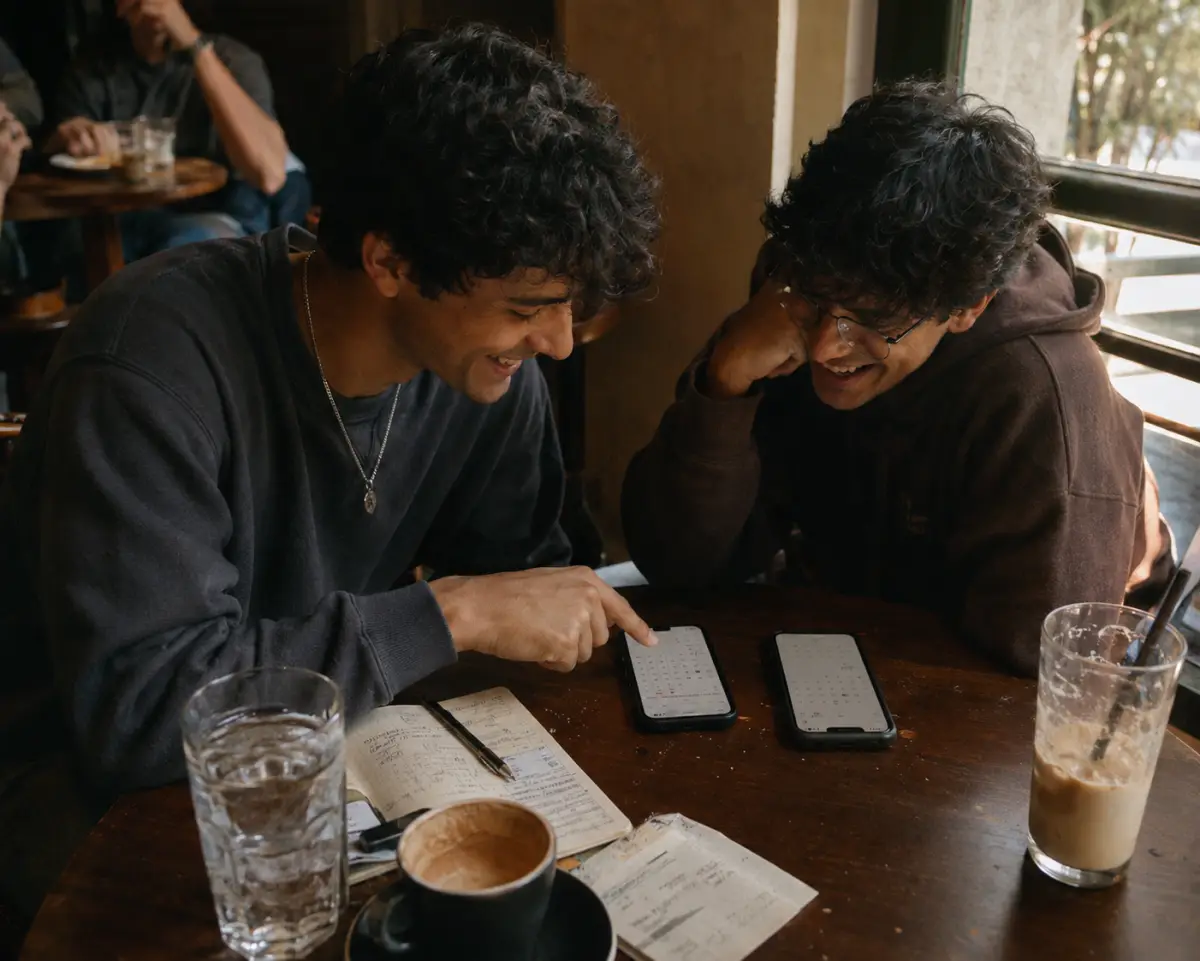
College gave you maybe 10 to 20 unstructured social hours a week without trying. Post-college, a lot of people get two. Maybe four if they protect them. Then they wonder why nobody feels close.
Try this for one month. Not as a glow-up. As a diagnostic.
| Weekend piece | Weak version | Stronger version |
|---|---|---|
| Saturday block | “I’ll see who texts” | One fixed 2-hour plan already on the calendar by Wednesday |
| Sunday block | Full recovery scroll | One low-stakes hang under 90 minutes, or one call with an old friend |
| Workweek scraps | Only Slack banter | One lunch or after-work walk with a person you actually like |
| Old friends | Endless “miss you” texts | One dated plan every 3 to 4 weeks with your shortlist |
| New people | One random mixer, then disappear | The same activity, same day, for 4 weeks straight |
The point isn’t to become the most popular person in your city. The point is to stop waiting for friendship to regenerate from vibes alone.
If your college group chat has been “let’s hang soon” for three months straight, apps like AskOut are useful for exactly that gap: you join a weekend plan with people who already said they’re free, instead of waiting for eight old calendars to miraculously overlap.
And if you’re older than you expected to be while still feeling socially stuck, the wider curve matters too. Friendship gets harder after 25 for structural reasons, not because your personality expired with your student ID.
One more rule that saves people in year one: protect free-time hours like they’re the friendship currency. Office adjacent time helps a little. Leisure time is what moves someone from “work person” to “person you’d call on a bad Sunday.”
You’re not behind. You’re between systems
The story people tell themselves after college is that everyone else kept the magic and they alone dropped it.
The quieter story is more accurate. Campus was a temporary social machine. It shut down on schedule. The people who feel okay a year later aren’t the ones who “stayed popular.” They’re the ones who noticed the machine was gone and built a smaller one on purpose.
A recurring badminton slot. Two friends who get a real date on the calendar. One group that sees your face often enough to stop treating you like a stranger.
That’s not a downgrade from college. That’s adult friendship with the training wheels off.
So if this Saturday still looks empty, don’t read it as a verdict. Read it as a blank slot.
Put one real plan in it before the week ends. Then do that again next week. The social life you’re missing isn’t waiting in your old hostel corridor. It’s waiting in the hours you’re willing to spend twice.