
Swipe Fatigue: What Gen Z Wants Instead

You delete Hinge on Sunday night. You feel lighter for about four days. By Thursday you’re back on the couch, reinstalling it with the same three photos, telling yourself you’ll “just check.”
That loop is not a discipline problem. It’s a product working exactly as designed.
Gen Z gets called commitment-phobic, picky, or “too online to date.” The numbers tell a different story. A Forbes Health survey found 79% of Gen Z report dating app burnout, and more than half say they feel it often or always, the highest rate of any age group. Same survey: 52% of Gen Z say they’re looking for a long-term relationship. They’re not anti-love. They’re anti-what swiping turned love into.
Swipe fatigue has a job description
People throw “burnout” around like it’s just being tired of bad dates. Researchers treat it more like a workplace injury.
A 2024 study followed active dating app users across 12 weeks. Emotional exhaustion went up over time. So did a creeping sense that nothing you do on the app actually works. People who were already anxious, lonely, or depressed burned out faster. The apps didn’t rescue them. They made the hard part harder.
Another line of research looked at excessive swiping: not casual use, but the compulsive loop of opening the app, scanning faces, feeling like you should keep going. That pattern linked to partner choice overload, upward social comparison, and fear of being single. It didn’t matter whether you swiped carefully or on gut instinct. The volume itself wore people down.
So swipe fatigue isn’t “I had three boring dates.” It’s closer to:
- Emotional exhaustion: messaging feels like a second job after a real one
- Cynicism: you start assuming every match will ghost, every date will be fine-but-flat
- Inefficacy: you can’t tell if the problem is you, your city, your photos, or the entire system
BBC Future ran a piece in 2026 that compared the pattern to burnout at work: exhaustion, cynicism, and the feeling that your effort doesn’t matter. Left alone, it gets worse, not better.
That’s the part older headlines miss. Gen Z isn’t flaking on dating because dating got harder. Dating got turned into a performance with no stage directions and no closing time.
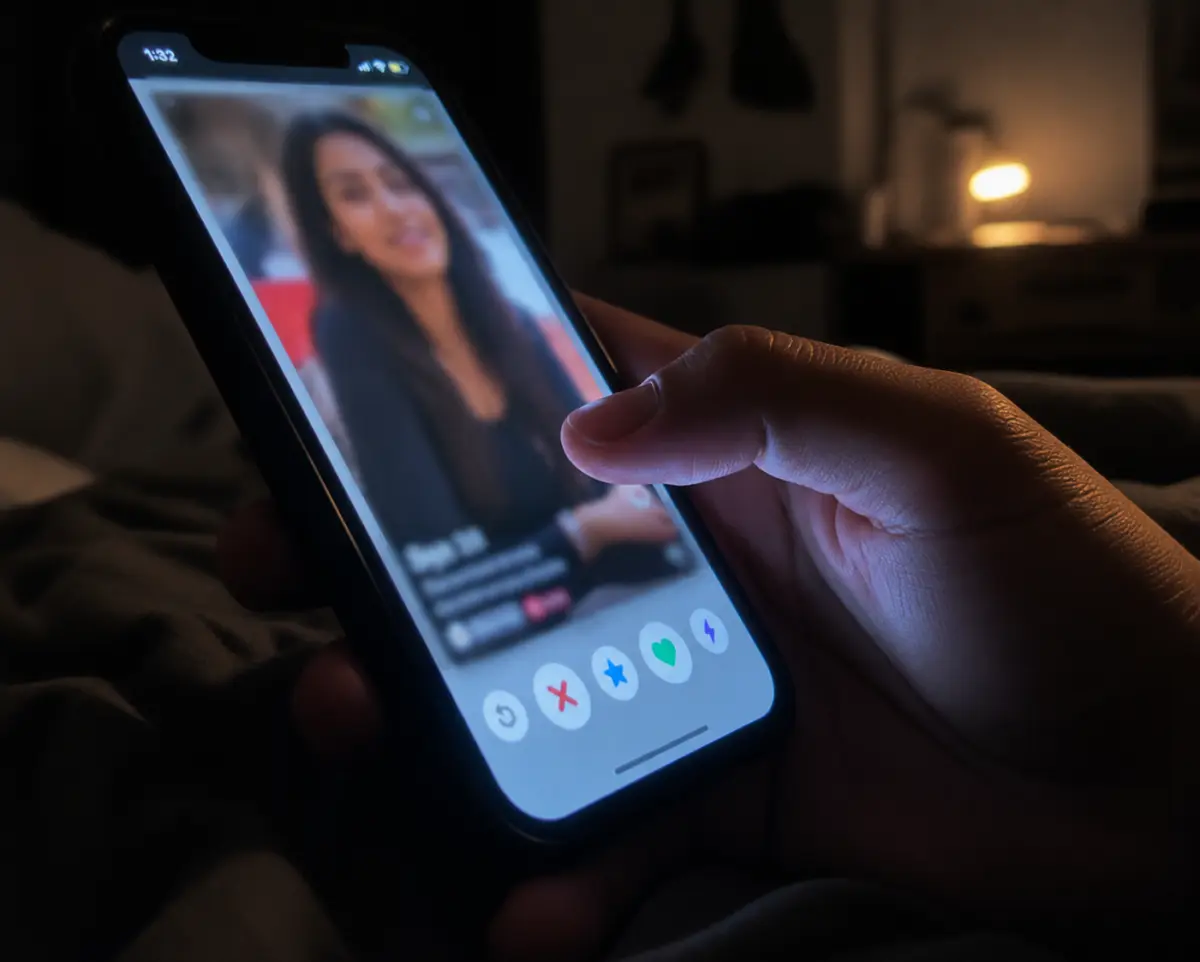
The swipe was never really about meeting people
Here’s the uncomfortable reframe: swiping optimized for engagement, not outcomes.
The average person in that Forbes Health survey spent about 51 minutes a day on dating apps. Forty percent said they couldn’t find genuine connections. Ghosting showed up everywhere. In one industry survey, 41% admitted to ghosting someone; 38% had been catfished; 27% reported “love bombing.” When disappearing is normal, trust doesn’t have room to grow.
The app experience trains a specific rhythm:
- Scroll through hundreds of curated lives
- Match on thin evidence
- Perform charm in text for days
- Meet once in a high-stakes setting where neither person has context
- Repeat until your brain treats humans like inventory
Researchers call one piece of this the “liking gap”: we underestimate how much new people enjoy talking to us. Apps make that worse. You never get the low-stakes reps. Every interaction arrives pre-loaded with romantic intent, which makes normal awkwardness feel like rejection.
Meanwhile the industry is wobbling. Match Group reported paying users declining. Bumble cut staff and started phasing out its signature swipe. Even Tinder’s own research found 91% of women and 94% of men agree dating has become more difficult. The product that was supposed to simplify romance became another feed to maintain.
Gen Z noticed. And they started asking a sharper question: what if the problem isn’t my profile. What if it’s profile-first dating itself?
What Gen Z wants instead (it’s not “going offline forever”)
The replacement isn’t monk mode. It’s a different order of operations.
Activity-first, not profile-first. Media in 2025 and 2026 keeps circling the same phrase: hobby-based dating. Run clubs, book clubs, climbing gyms, ceramics studios, pickup volleyball. Strava reported club participation surging. LADbible Group research found around 72% of Gen Z runners say they joined run clubs partly to meet people. A ThriftBooks survey found 23% of book club members had met someone they were romantically interested in through the group.
The logic is simple. You don’t audition with a bio. You show up, do the thing, and let repeated contact do the filtering. Psychologists have known for decades that we warm to people we see again and again. Roughly two-thirds of relationships start as friendships. Gen Z is just building the friendship part first on purpose.
Fourth spaces, not third places with better lighting. Eventbrite’s 2025 cultural study coined “Fourth Spaces” for gatherings that turn online interests into in-person community: fandom meetups, wellness groups, maker workshops, hybrid events that blend hobbies. Among 18-to-35-year-olds in that survey, 95% wanted to explore online interests through real events, 73% planned to attend more live events in the next six months, and 84% of interest-based event attendees said they’d made close friends that way.
Gen Z spent their teens building digital identities. Now they want those identities to have a door that opens into a room.
Intentional scarcity, not infinite choice. Newer apps and models push away from endless decks. Some college-only matchmakers text you one introduction at a time. Some activity platforms hide photos until you’ve joined a plan. Some proximity tools focus on who’s actually nearby right now, not who’s theoretically available in your metro area.
The through-line isn’t nostalgia for meet-cutes at bookstores (though those still happen). It’s connection that starts with something real to do together.
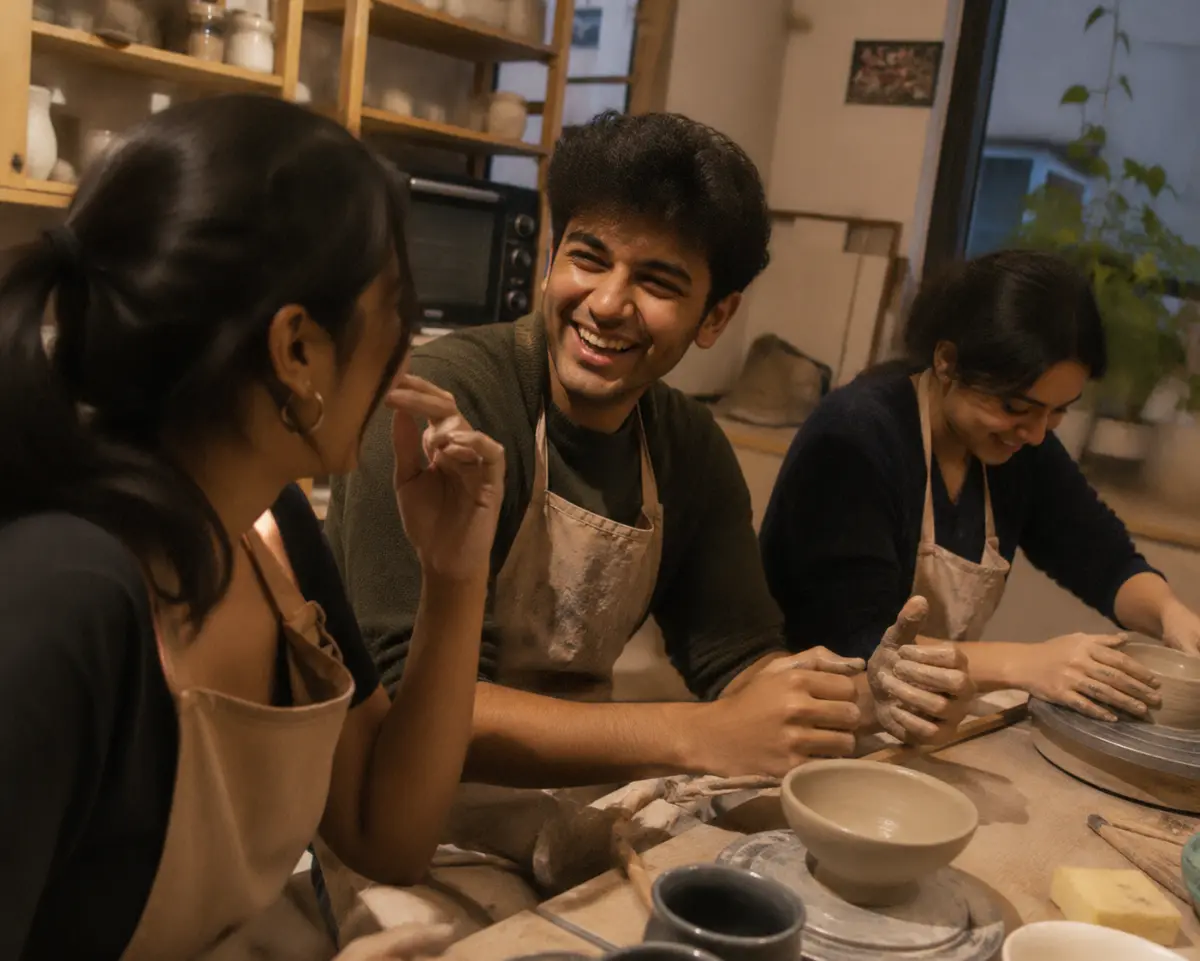
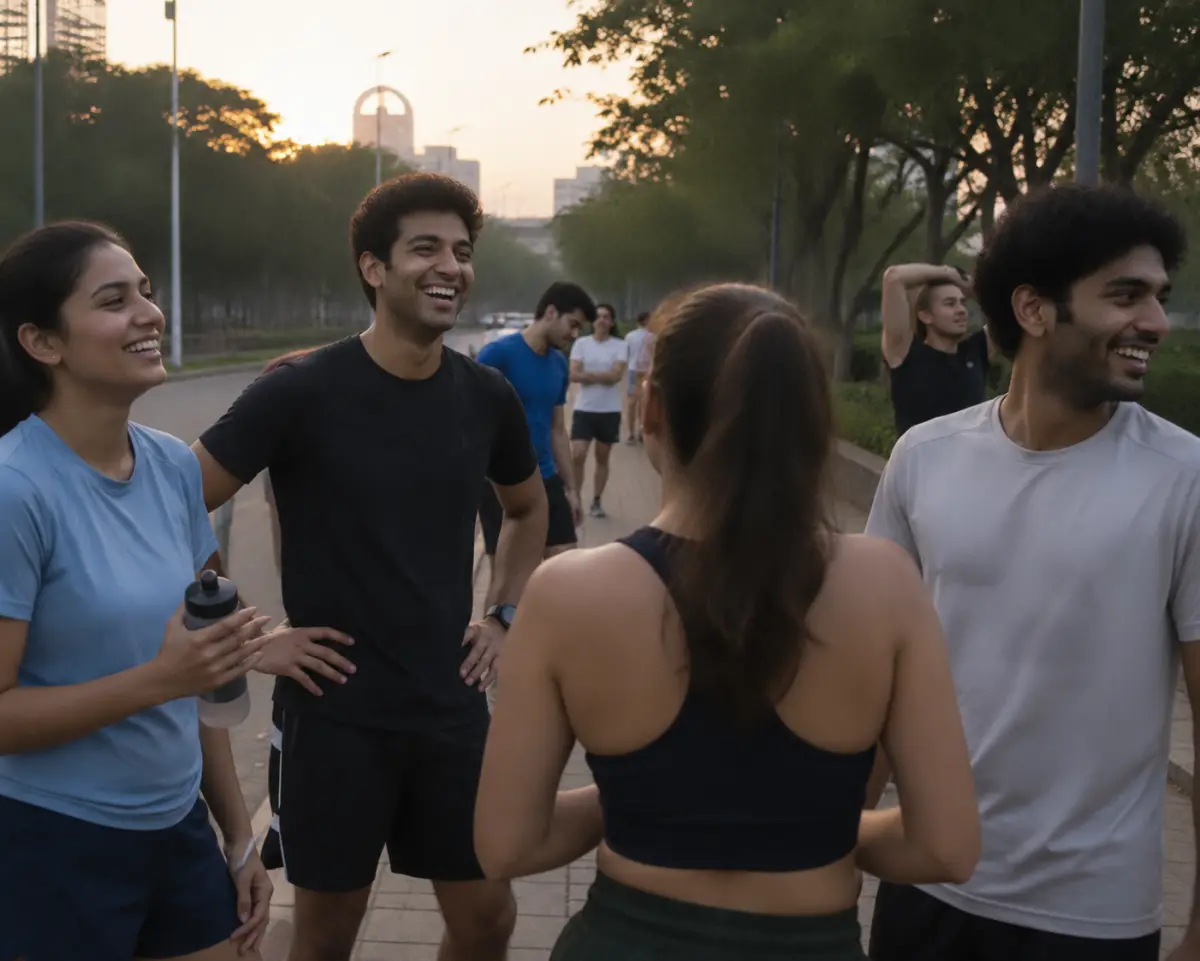
Figure out which kind of tired you are
Not everyone needs the same exit ramp. Three situations show up constantly in surveys and reporting. Pick the one that sounds most like your last month.
1. The reinstall loop
You delete, feel relief, get lonely or bored, reinstall, hate yourself, repeat.
What you actually need: fewer entry points, not more willpower. Pick one non-app channel for 30 days: a weekly class, a run club, a volunteer shift, a friend’s wider circle. Delete the apps from your home screen. You don’t need a dramatic speech about quitting dating. You need one recurring plan that doesn’t require you to generate chemistry from a blank bio.
2. The messaging internship
You match fine. Then you spend two weeks co-writing a sitcom pilot with a stranger who vanishes after “we should definitely hang out sometime.”
What you actually need: faster moves to in-person, lower stakes. Suggest a specific plan within the first handful of messages: “I’m free Thursday after 6. Want to grab coffee near Central Park for 45 minutes?” Short. Public. Easy to leave. If they won’t commit to a time, that’s data.
3. The profile performance
You spend more time choosing photos and prompts than talking to matches. Every date feels like meeting someone who already decided who you are.
What you actually need: contexts where you can’t fully curate yourself. Group activities, classes with rotation, sports where you look sweaty and human. Let people meet you in motion. If you want practical frameworks for offline doors, we broke down the three ways real-life connections actually start here. This post is the why. That one is the how.
If your friend group’s chat has been “we should hang this weekend” since February, AskOut is built for the gap swipe fatigue created: you join plans that are already happening with people who showed up to do something, not to judge a photo stack.
The swipe isn’t coming back as the main character
Dating apps won’t disappear tomorrow. Plenty of people will still meet on them. But the cultural default is shifting.
Gen Z wants what the swipe model removed: context before chemistry, repetition before romance, and plans that actually happen. They’re not waiting for a better algorithm. They’re rebuilding the infrastructure around shared activity, smaller rooms, and showing up as a whole person instead of a highlight reel.
The next time you catch yourself reinstalling on a Thursday night, ask a simpler question than “Am I being too picky?”
Ask: Am I tired of dating, or tired of dating like this?
Most of the time, it’s the second one.